Stone Masonry vs. Brick Masonry: Key Differences
For those exploring stone masonry vs. brick masonry: key differences, local service providers can help you choose and execute the best stonework for your project.
Understanding the differences between stone masonry and brick masonry is essential for property owners considering updates or new constructions. Whether planning a decorative feature, a durable foundation, or a classic exterior, knowing how these materials compare can influence choices that impact both appearance and longevity. This guide aims to clarify the key distinctions, helping property owners in the area make informed decisions. Local contractors specializing in stone masonry can provide valuable insights and craftsmanship that highlight the unique qualities of each material, ensuring the final result aligns with the desired aesthetic and functional goals.
Exploring these masonry options is particularly relevant for those interested in enhancing property value or preserving historic features. Stone masonry offers a timeless appeal and exceptional durability, often suited for structural elements or decorative accents that stand the test of time. Brick masonry, on the other hand, provides versatility and a wide range of styles suitable for various applications. For property owners weighing these choices, connecting with experienced local service providers can help clarify which approach best fits their project needs. Keep reading to discover practical differences that can guide the selection process and find professionals capable of bringing these visions to life.
- Stone Masonry - Ideal for projects requiring durable, natural stone features such as retaining walls or facades, with local contractors emphasizing craftsmanship and material selection.
- Stone Masonry - Suitable for restoring historic structures or creating rustic aesthetic elements, with service providers focusing on traditional techniques and stone sourcing.
- Stone Masonry - Used when long-lasting, weather-resistant surfaces are needed, with local pros prioritizing structural integrity and natural appearance.
- Stone Masonry - Chosen for landscape features like outdoor fireplaces or pillars, with contractors tailoring each project to match the stone’s natural characteristics.
- Stone Masonry - Recommended for projects demanding a natural, timeless look, with local service providers emphasizing precise fitting and natural finish techniques.


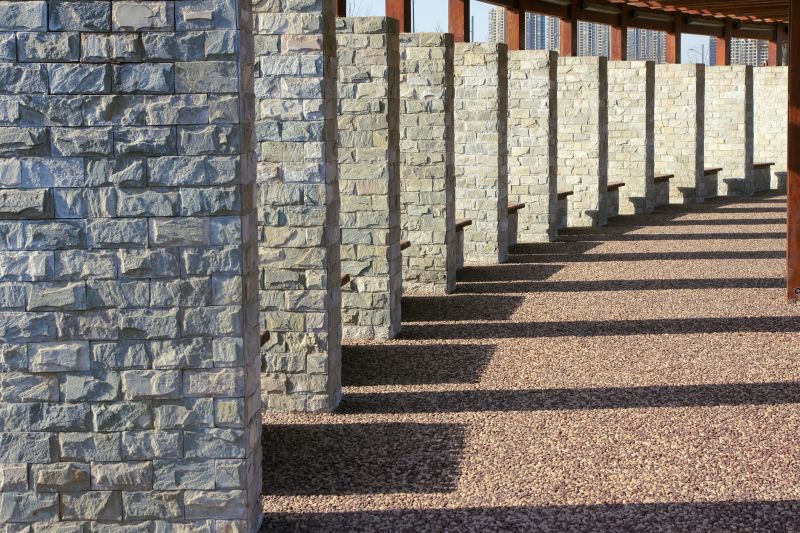
When homeowners search for information about stone masonry versus brick masonry, they are often trying to understand the fundamental differences between these two traditional building methods. This comparison typically arises when planning projects such as constructing or restoring exterior walls, fireplaces, retaining walls, or decorative facades. People want to know which material best suits their aesthetic preferences, durability needs, and the specific style of their property. Understanding these distinctions helps homeowners make informed decisions about the type of masonry work that will enhance their property's appearance and longevity, especially when considering the expertise of local contractors who specialize in these services.
These topics are closely connected to a variety of property-related plans and problems. For example, homeowners might be considering a new outdoor fireplace or a garden wall, or they could be repairing existing masonry that has suffered weather-related damage or aging. Choosing between stone and brick masonry impacts the visual appeal, structural integrity, and maintenance requirements of these features. Additionally, some property owners are interested in historical restorations or custom features that require specific masonry techniques. Knowing the key differences helps homeowners communicate their goals clearly when consulting with local service providers, ensuring that the chosen material aligns with their property's style and functional needs.
The types of properties that frequently involve stone or brick masonry projects include residential homes, especially those with historic or traditional designs, as well as commercial buildings and public spaces. In residential settings, stone masonry is often used for retaining walls, entryways, or decorative accents, while brick masonry is common for facades, chimneys, and walkways. Commercial properties might incorporate both materials for aesthetic or functional reasons, such as creating durable exterior walls or signature architectural features. Public spaces, parks, and institutional buildings often utilize stone masonry for its strength and timeless appearance. Local contractors experienced in both types of masonry can guide property owners through selecting the right material for their specific project and property type.
Understanding the core differences between stone and brick masonry helps homeowners see how these materials can be applied to real projects. Stone masonry is known for its natural appearance, durability, and capacity to withstand harsh weather, making it suitable for structural elements that require longevity. Brick masonry, on the other hand, offers a more uniform, versatile look with easier installation and maintenance, often used for aesthetic facades and decorative features. When considering a masonry project, it’s important to work with local pros who understand these distinctions and can recommend the best approach based on the property's style, location, and intended use. These professionals can help ensure that the chosen material not only looks great but also performs well over time, aligning with the homeowner’s vision and practical needs.
Stone veneer projects - these projects require skills in shaping and installing stone materials, similar to the techniques used in stone masonry versus brick masonry work.
Retaining wall construction - building durable retaining walls involves planning and executing with natural stone or brick, highlighting the differences in material handling and structural requirements.
Fireplace and chimney installation - creating functional and aesthetic fireplaces demands expertise in working with masonry materials, paralleling the skills needed for both stone and brick masonry.
Facade restoration - restoring building exteriors involves detailed planning and skilled craftsmanship in masonry, similar to the processes used in stone and brick projects.
Paving and walkway installation - laying durable stone or brick pavers requires precise placement and understanding of material properties, akin to masonry techniques.
Architectural stonework - designing and installing decorative stone features involves specialized masonry skills that relate closely to those used in stone versus brick construction.
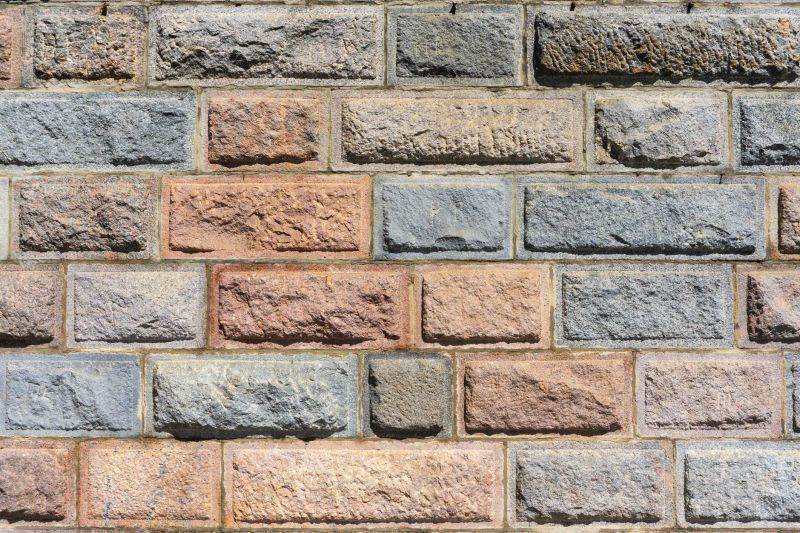
When comparing service providers for stone masonry versus brick masonry, it is essential to consider their experience with similar projects. Homeowners should inquire about the types of stone or brick work the contractors have completed in the past, paying attention to projects that resemble their own in scope and style. A contractor with a proven track record in stone masonry can demonstrate familiarity with the unique techniques and materials required, which differ significantly from those used in brick masonry. Ensuring that a local contractor has successfully handled projects similar to what is envisioned can provide confidence in their ability to meet expectations and deliver quality results.
Clear written expectations are a vital aspect of choosing the right service provider. Homeowners should seek detailed proposals or work agreements that outline the scope of work, specific materials to be used, project timelines, and the responsibilities of each party. When considering stone masonry services, it’s especially important that these documents specify the type of stone, the finishing techniques, and any special considerations for durability or aesthetics. Transparent communication about these details helps prevent misunderstandings and ensures that both parties are aligned on the project’s goals from the start.
Reputable references and good communication are key factors when evaluating local contractors for stone or brick masonry. Homeowners can ask for references from previous clients who had similar work completed, and should follow up to learn about their experiences regarding the contractor’s professionalism, reliability, and quality of work. Additionally, a contractor’s responsiveness and clarity in answering questions-whether about materials, process, or project management-are indicators of their commitment to client satisfaction. Selecting a service provider who values open dialogue and provides verifiable references can contribute to a smoother project experience and a final result that aligns with the homeowner’s vision.
Property owners often search for stone masonry vs. brick masonry: key differences when they are planning practical projects around their homes and businesses. Local pros provide Stone Masonry services for everyday jobs and straightforward project options.
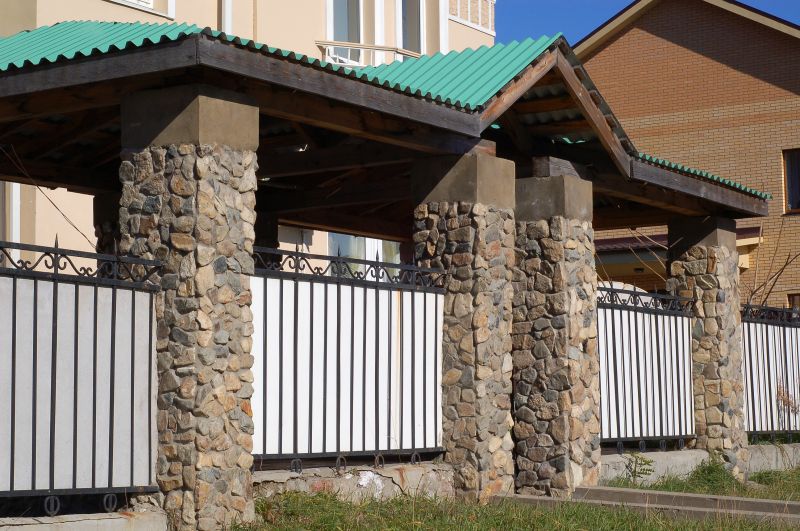
When considering masonry options for a home or property project, property owners often look into the differences between stone masonry and brick masonry to determine which best suits their needs. Stone masonry is valued for its durability and natural appearance, making it a popular choice for features like retaining walls, facades, or decorative accents. Brick masonry, on the other hand, is appreciated for its uniformity, ease of installation, and classic aesthetic, often used for building walls, chimneys, and outdoor structures. Understanding these practical distinctions can help property owners decide which type of masonry aligns with their project goals and style preferences.
For those exploring stone masonry services, local contractors can provide insight into the specific benefits and challenges of each material. They can assist in selecting the right type of masonry based on factors like climate, structural requirements, and visual appeal. Whether a property owner needs a sturdy stone feature or a traditional brick wall, experienced service providers can help ensure the chosen material meets the project's functional and aesthetic needs. Connecting with local pros can simplify the decision-making process and support successful masonry projects tailored to the property's unique characteristics.
What are the main differences between stone masonry and brick masonry? Stone masonry typically involves using natural stones, offering a more durable and rustic appearance, while brick masonry uses fired clay bricks that provide a uniform look and easier installation. Local contractors can help determine which material suits specific project needs.
How does the appearance of stone masonry compare to brick masonry? Stone masonry often has a natural, textured look with unique variations, whereas brick masonry provides a consistent, structured pattern. Service providers can advise on aesthetic options based on the desired style.
Are there structural differences between stone and brick masonry? Yes, stone masonry generally offers higher strength and load-bearing capacity due to the density of natural stones, while brick masonry is often used for decorative or non-load-bearing walls. Local pros can assess which material is appropriate for structural requirements.
What maintenance considerations are associated with stone versus brick masonry? Stone masonry usually requires less maintenance and is more resistant to weathering, whereas brick masonry may need periodic repointing and sealing. Local contractors can provide guidance on upkeep for each material.
Can stone masonry be used for both exterior and interior applications? Yes, stone masonry is versatile and can be used for both exterior facades and interior features, while brick masonry is also suitable for various applications. Service providers can help select the best material for specific spaces.
Choosing durable materials - property owners can work with local contractors to select stone or brick for outdoor features that withstand weather and daily wear.
Matching style with architecture - homeowners can discuss design options with local pros to ensure the masonry complements the property's overall look.
Considering installation techniques - property owners might explore how different masonry methods impact the longevity and appearance of walls or facades with local specialists.
Deciding on maintenance needs - property owners can ask local contractors about upkeep requirements for stone versus brick masonry to plan for future care.
If you are thinking about stone masonry vs. brick masonry: key differences for a property, this guide is meant to help you understand this topic, the typical project types, and how different options might fit your plans.
When you are ready, you can use the quote form on this page to share a few details about your project. From there, local pros can review the basics and follow up with options that match what you have in mind.